Peptides for Muscle and Recovery Support: Benefits, Limits, and What to Know
# Peptides for Muscle and Recovery Support: Benefits, Limits, and What to Know
Peptides play an important role in many biological processes, including tissue repair, cell signaling, muscle function, and recovery. Because of this, peptides have become a popular topic in fitness, sports nutrition, and wellness.
However, not all peptides work the same way. It is important to understand the difference between natural dietary peptides, collagen peptides, complete proteins, and medical or research peptides.
What Are Peptides?
Peptides are short chains of amino acids, which are the building blocks of proteins. In the body, peptides can act as signaling molecules and structural support components. Some peptides are involved in hormone regulation, immune response, tissue repair, and recovery processes.
In nutrition and fitness, one of the most common peptide-related supplements is collagen peptides. These are broken-down forms of collagen protein that are easier for the body to digest and absorb.
How Peptides May Support Muscle Recovery
Muscle recovery is not only about building bigger muscles. It also involves repairing stressed tissues, supporting tendons and ligaments, reducing soreness, and helping the body adapt after exercise.
Some peptides may support recovery by contributing to:
* Tissue repair after exercise
* Connective tissue support
* Tendon and ligament health
* Joint comfort and mobility
* Muscle recovery after intense training
* Collagen production in skin, joints, and connective tissues
Collagen peptides are especially known for supporting connective tissue because collagen is a major structural protein found in tendons, ligaments, cartilage, bones, and skin.
Collagen Peptides and Connective Tissue Support
Collagen peptides may help support the structures around muscles, including tendons, ligaments, and joints. This is important because athletic performance depends not only on muscle strength, but also on healthy connective tissue.
For people who train regularly, collagen peptides may be useful as part of a recovery routine because they provide amino acids such as glycine, proline, and hydroxyproline. These amino acids are closely connected with collagen structure.
This makes collagen peptides a good option for people focused on joint comfort, tendon support, mobility, and long-term recovery.
Are Collagen Peptides Good for Muscle Growth?
Collagen peptides can support the body, but they are not usually the best protein choice for direct muscle growth.
The reason is simple: collagen is not a complete protein. It is low in some essential amino acids and does not provide the same muscle-building amino acid profile as proteins like whey, eggs, meat, fish, or soy.
Muscle growth depends heavily on essential amino acids, especially leucine. Whey protein is often preferred for muscle protein synthesis because it contains all essential amino acids and has a strong leucine content.
So, collagen peptides may support recovery and connective tissue health, but they should not replace complete protein sources if the main goal is muscle building.
Collagen Peptides vs. Whey Protein
Collagen peptides and whey protein serve different purposes.
Collagen peptides are better suited for:
* Connective tissue support
* Joint health
* Tendon and ligament support
* Mobility
* General recovery support
Whey protein is better suited for:
* Muscle growth
* Muscle repair
* Meeting daily protein needs
* Supporting muscle protein synthesis
* Post-workout nutrition
For athletes, gym users, and active adults, a smart approach may be to use whey or another complete protein for muscle growth while using collagen peptides as additional support for joints and connective tissue.
Best Time to Take Collagen Peptides for Recovery
Many people take collagen peptides before or after exercise. Some prefer taking them with vitamin C because vitamin C supports normal collagen formation in the body.
A common routine is to take collagen peptides around training sessions, especially if the goal is tendon, ligament, or joint support. However, consistency matters more than timing. Collagen peptides usually need to be taken regularly over time to support noticeable results.
Who May Benefit from Collagen Peptides?
Collagen peptides may be useful for:
* Active adults
* Athletes
* Gym users
* People with joint discomfort
* People focused on tendon and ligament support
* Older adults experiencing natural collagen decline
* People wanting extra recovery support
They may be especially helpful for people whose training puts stress on joints and connective tissues, such as runners, weightlifters, football players, martial artists, and endurance athletes.
Important Safety Note
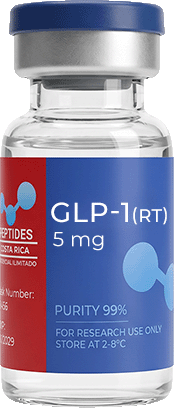
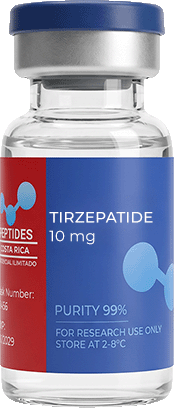
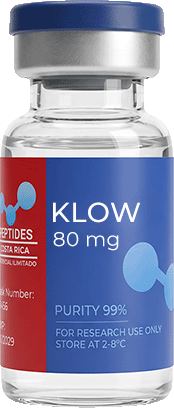
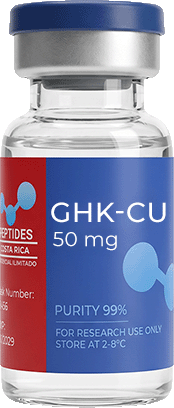
Peptides are not all the same. Collagen peptides sold as dietary supplements are very different from injectable or research peptides.
Injectable peptides should not be used without medical supervision. Some unapproved peptides may carry risks, including incorrect dosing, contamination, hormonal effects, allergic reactions, or unknown long-term safety concerns.
For general wellness, collagen peptides and complete dietary proteins are usually safer and more practical options than unapproved research peptides.
Final Thoughts
Peptides can play a positive role in muscle and recovery support, especially when it comes to connective tissue, joint comfort, and post-workout repair. Collagen peptides may support tendons, ligaments, cartilage, and mobility, making them useful for active people.
However, collagen peptides are not the best protein for direct muscle growth because they do not provide a complete essential amino acid profile. For building muscle, complete proteins like whey remain a better choice.
The best approach is to see collagen peptides as a recovery and connective tissue support supplement, not as a replacement for high-quality dietary protein, strength training, sleep, hydration, and a balanced diet.
For laboratory research only. This article is educational and is not medical advice. We don't provide dosing or treatment guidance.